
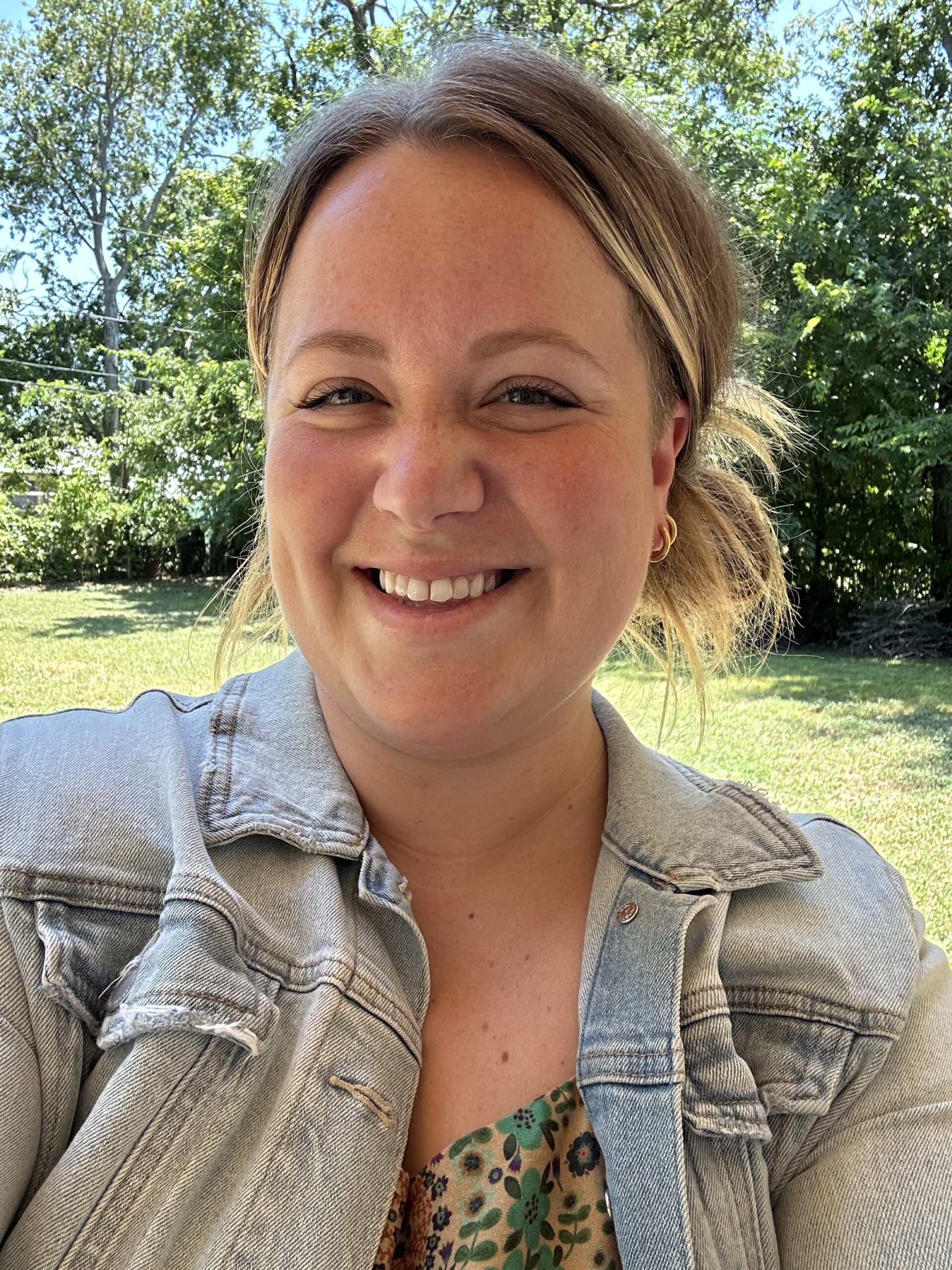
Leah (Nitcher) Moore, M.S., LPC-Associate
(She/Her)
- Psychotherapy with Adults and Teens 13+
- $150/55 minute session, BCBS, Aetna
DTC Specialties
Additional Specialties
- Complex-PTSD
- Early Childhood Trauma
- Family of Origin Issues
- Relationship Ambivalence/Individual Relationship Counseling
- Abusive Relationship Recovery
- Life, Personal, & Faith Transitions/Deconversion
- Person Centered Therapy
- Expressive Arts Therapy
- Humanist/Existential approach
- Attachment-informed approach
Credentials
- M.S., Clinical Mental Health Counseling, Tarleton State University
- LPC-Associate (Texas), Supervised by Anna Clark-Miller, LPC-Supervisor
Does this sound like you?
You have felt this way for as long as you can remember, but the discomfort and the nagging feeling that it is time to try something different have been growing. You keep everything buried because it seems too overwhelming to face. Sometimes you fear that if you acknowledge it, it may totally engulf you and you might stop functioning altogether. You worry that if you allow yourself to feel the feelings that have hummed in the background for so long, if you take a step toward what feels like an insurmountable tsunami of emotions and let it wash over you, you may never surface again. Something is gnawing at you, and it might be difficult to put your finger on exactly what it is, because you may have learned the habit of ignoring your voice, your needs, and your instincts a long time ago. You wonder how much talking about it could really help? What can a therapist tell you that you don’t already know? You may feel afraid to consider what it could mean to face these feelings and try therapy, but something brave, protective, and good in you keeps nudging you in this direction.
Can Therapy Help?
Can you imagine what life would be like if you trusted yourself to handle whatever arose? Therapy isn’t about someone giving you answers or telling you what to do. It is simply having a place where you can slow down, say the things you haven’t been able to say, and begin to hear yourself more clearly. Being met with curiosity, care, and acceptance can make it possible for you to notice what you need, what you feel, and what you already know somewhere inside yourself. Therapy is not about “knowing” more; it is about strengthening your connection to yourself so that you can trust yourself to process your emotions, hear yourself, and move through whatever life brings. The goal of therapy is not to be perfectly regulated all the time. In a world where painful experiences are inevitable, that isn’t possible. Bad things happen, and being “zen” in the face of them would be out of tune with the reality of being human. The goal is to know how to care for yourself when the world feels like it is spinning out of control. It is about building trust in yourself, so that no matter what happens, you will be there to hold yourself through it, ask for help, and find your way forward. You may find that the tsunami feels overwhelming when you first begin facing the things you’ve pushed down, but each time you allow yourself to feel and process them, you learn that you can move through them. As you move away from letting things build up, and begin tending to them as they come, everything can become more manageable over time.
How can I help?
“Joy is the matriarch of a family of emotions. She won’t come into a house where her children aren’t welcome.” – Joe Hudson
I believe that when we numb ourselves to avoid our pain, we may unintentionally lose access to our joy and wonder in the process. In learning to accept our difficult emotions, we open the door for our positive ones to return. In Person-Centered Therapy, there is a name for that “nudge” you have felt towards therapy: the self-actualizing tendency. This is the belief that you are born with an innate sense of exactly what you need to grow, heal, and become more fully yourself. Somewhere along the way a person, a belief system, or an event, may have taught you that you need to change your shape in order to be loved and accepted. Holding yourself in that form is no longer working for you, and you feel the urge to come back home to yourself. My hope is that therapy can help you to go forward in your life with an authentic sense of who you are and what you need. Therapy with me is a collaborative process. I work from a person-centered, relational approach, which means you are the expert on your own experience, and I trust you to guide us toward what is most important for you. My role is not to control or rush your process, but to walk alongside you as you begin to explore all that you have been carrying. I work especially well with people who feel nervous about therapy, have struggled to feel connected to a therapist in the past, or need reassurance that their pain will not be minimized. I believe that what has been hurt in relationship can begin to heal in relationship. I may laugh with you, cry with you, or simply hold space for you when something feels too big to put into words. If clients would like, I often incorporate writing, music, art, clay, or other creative approaches in order to express what might be difficult to say. Together, we can learn how to process difficult emotions, identify your unique needs, and build trust in your ability to navigate your past, present, and future. I am here to be with you as you allow yourself to surface, and experience what it means for another person to bear witness to your story: the pain, the joy, and the wonder of finding your way back to yourself.
When I'm not at Work
You can find me hiking a heinous amount of miles, pretending to be an animal for my children, perfecting the best fried egg, listening to funny podcasts, playing word games, watching mystery shows, painting, writing, beading, or learning how to use a pottery wheel.